Kysha Bailey manages a household of four children, but her responsibilities extend far beyond parenthood. As the full-time caregiver and legal guardian of her father, Bailey balances the daily demands of a growing family with the intensifying complexities of stage three dementia.
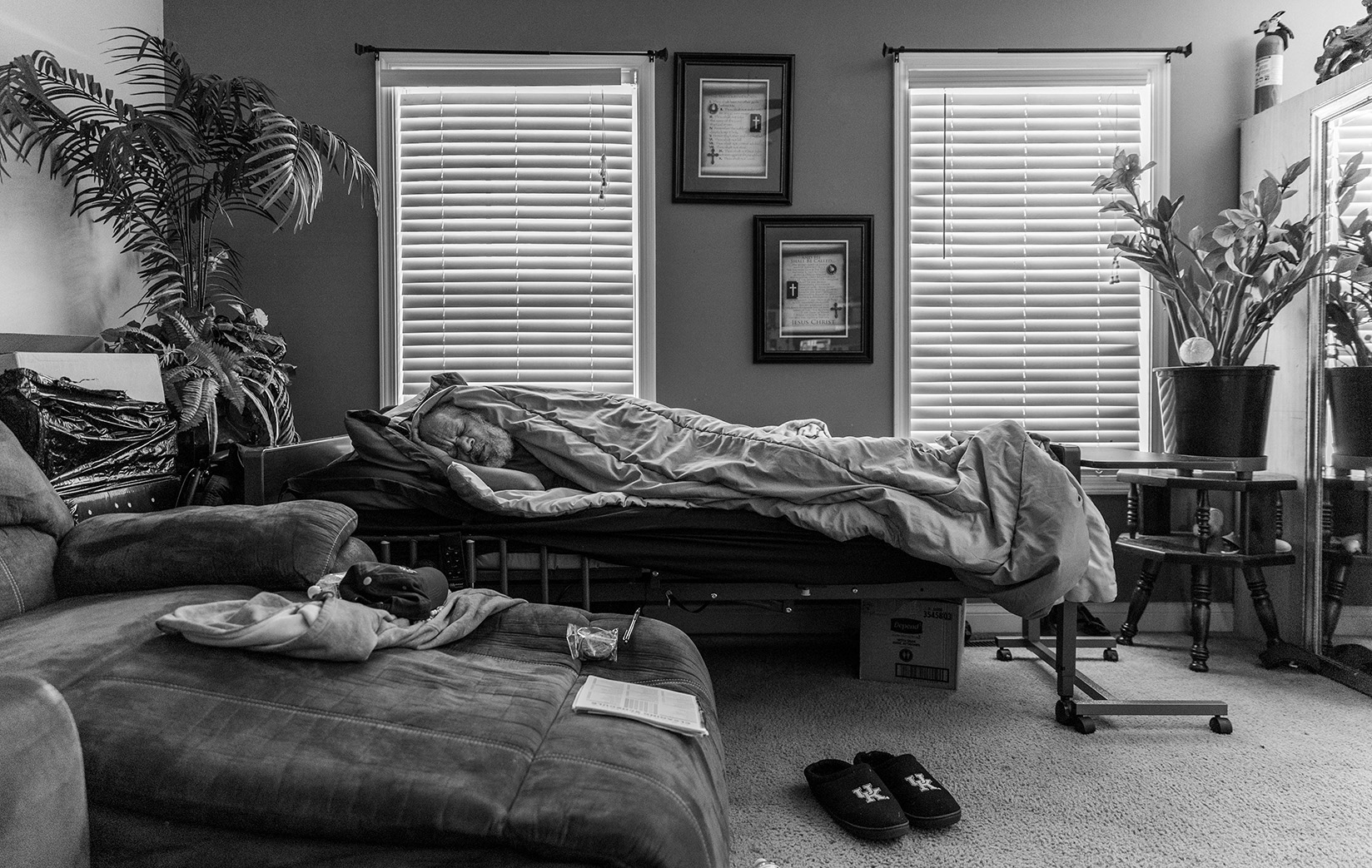
Fred Evans, 76, sleeps in the living room of his daughter Kysha Bailey's, 34, home in Bowling Green, Kentucky, on April 19th, 2026. Evans, who lives with stage three dementia, has lived with Bailey since August 2025; he sleeps in the living room so Bailey can monitor him throughout the day and night. Bailey, a stay-at-home mother of four, became Evans’ legal guardian and 24-hour caregiver after he was found confused outside his home. Despite a history of estrangement and Evans' past arrests, Bailey chose to care for him herself to avoid the neglect she had witnessed while previously working in nursing homes. "I know God told me to honor my mother and father," Bailey said. "He didn't raise me, but... in his right mind today, would he be a different person? No. But the person he is, I love him for it.”
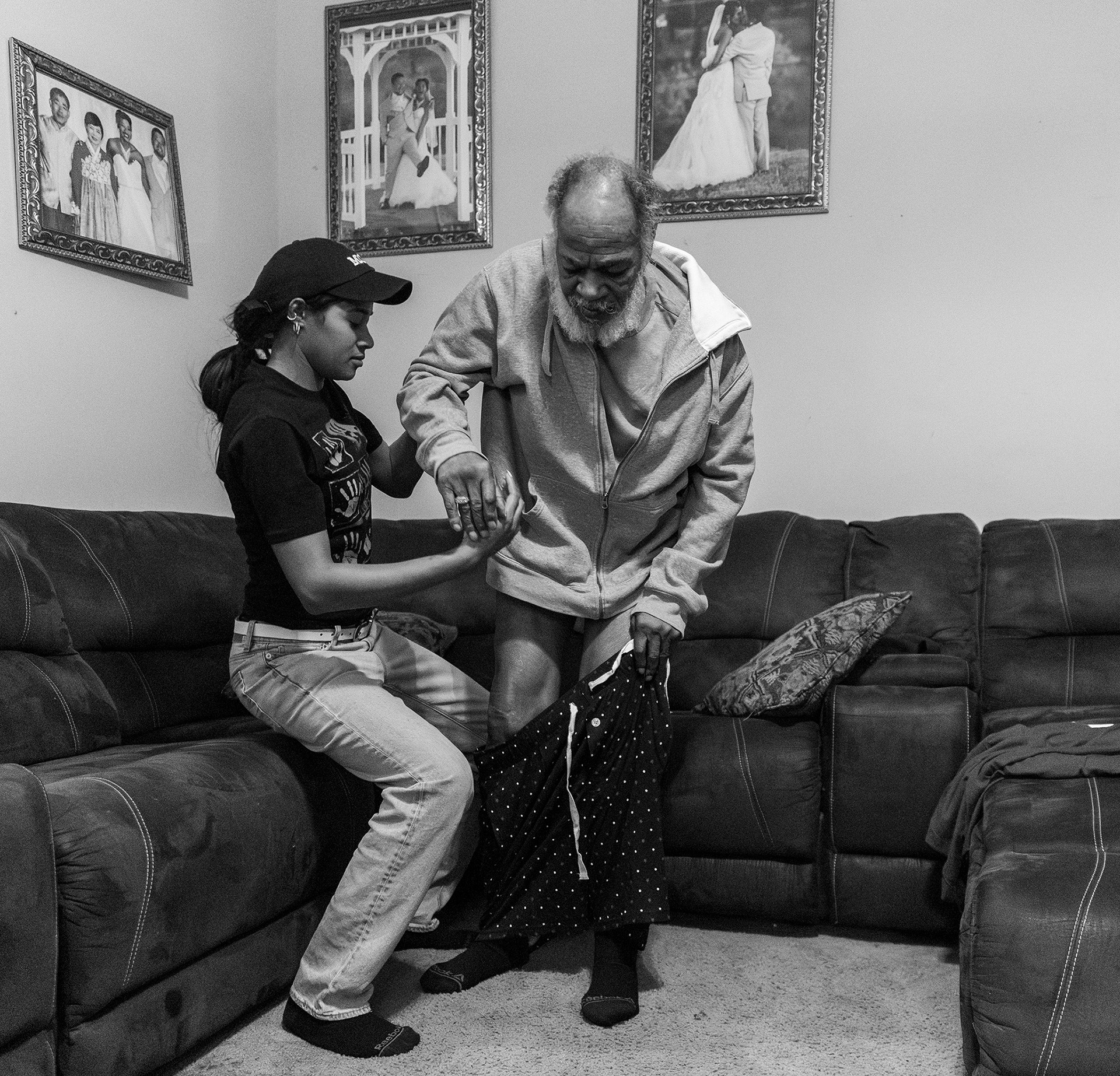
Kysha Bailey, left, helps her father stand up and put on his pajamas in their home in Bowling Green, Kentucky, on March 31st, 2026. Bailey helps Evans into his clothes and puts him to bed every night as part of her role as his 24-hour caregiver. “Sacrificing my freedom of self, I can’t get up and go on vacation, I can’t get out of town to see friends or family. I have to give up my time and freedom until further arrangements,” Bailey said. “In my young 30s, it’s not ideal to not vacation or see family or friends. I have to take care of him.”
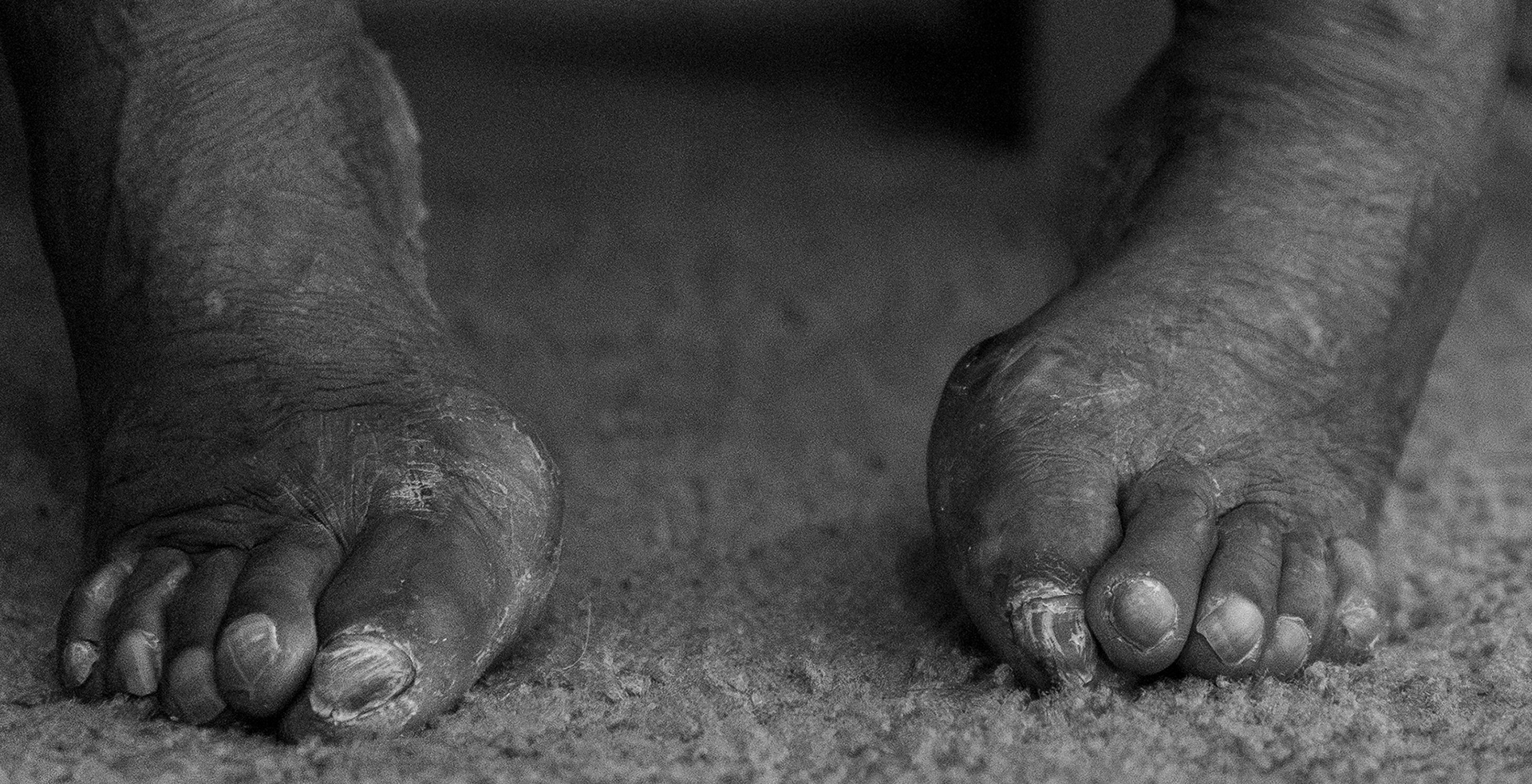
Maintaining Evans’ hygiene is a daily challenge for Bailey, as his dementia often leads him to believe he has already bathed or groomed himself. Because she cannot legally force him to bathe or cut his toenails, Bailey must use patience and persuasion to gain his trust. “I’m on your team; I don’t want to go out of my way to give you a bath,” Bailey says, allowing Evans to “do his rounds” to verify her claims. “I try to bathe him, and he agrees, then he says he doesn’t need one. I can't force him... I can't manhandle or use excessive force.”
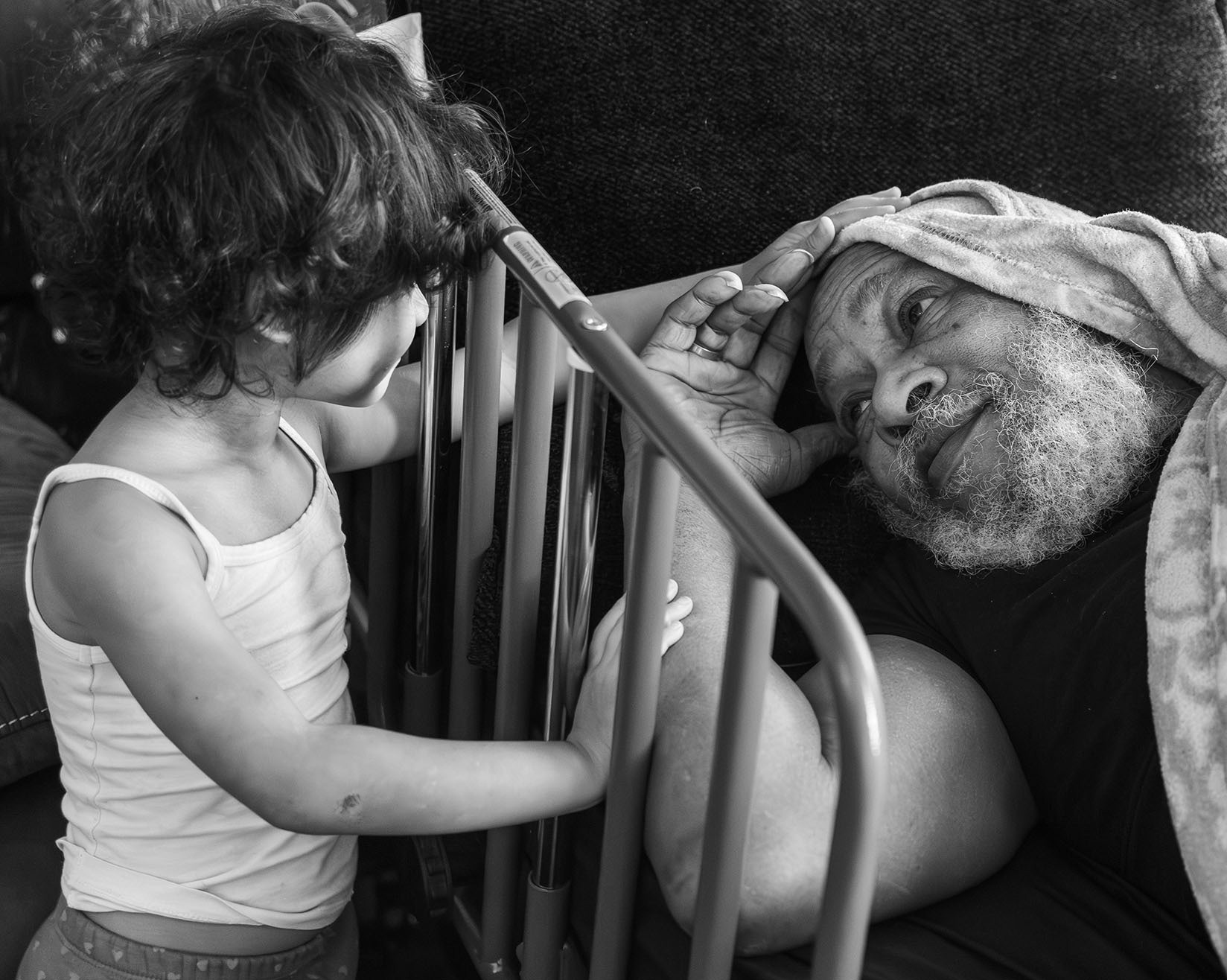
Shineye Bailey, left, and her grandfather Fred Evans, right, share a smile and a look of admiration in their home in Bowling Green, Kentucky, on March 25th, 2026. While Evans’ dementia often causes him to view his older grandchildren as "lazy adults" who do not contribute to the household, he recognizes Shineye’s youth and treats her as his best friend. The two have become playmates—often swinging together at the park or holding hands when they walk. "The dementia gives him a state of mind of a toddler sometimes," Kysha Bailey said. “They have the best bond, and it’s amazing.”
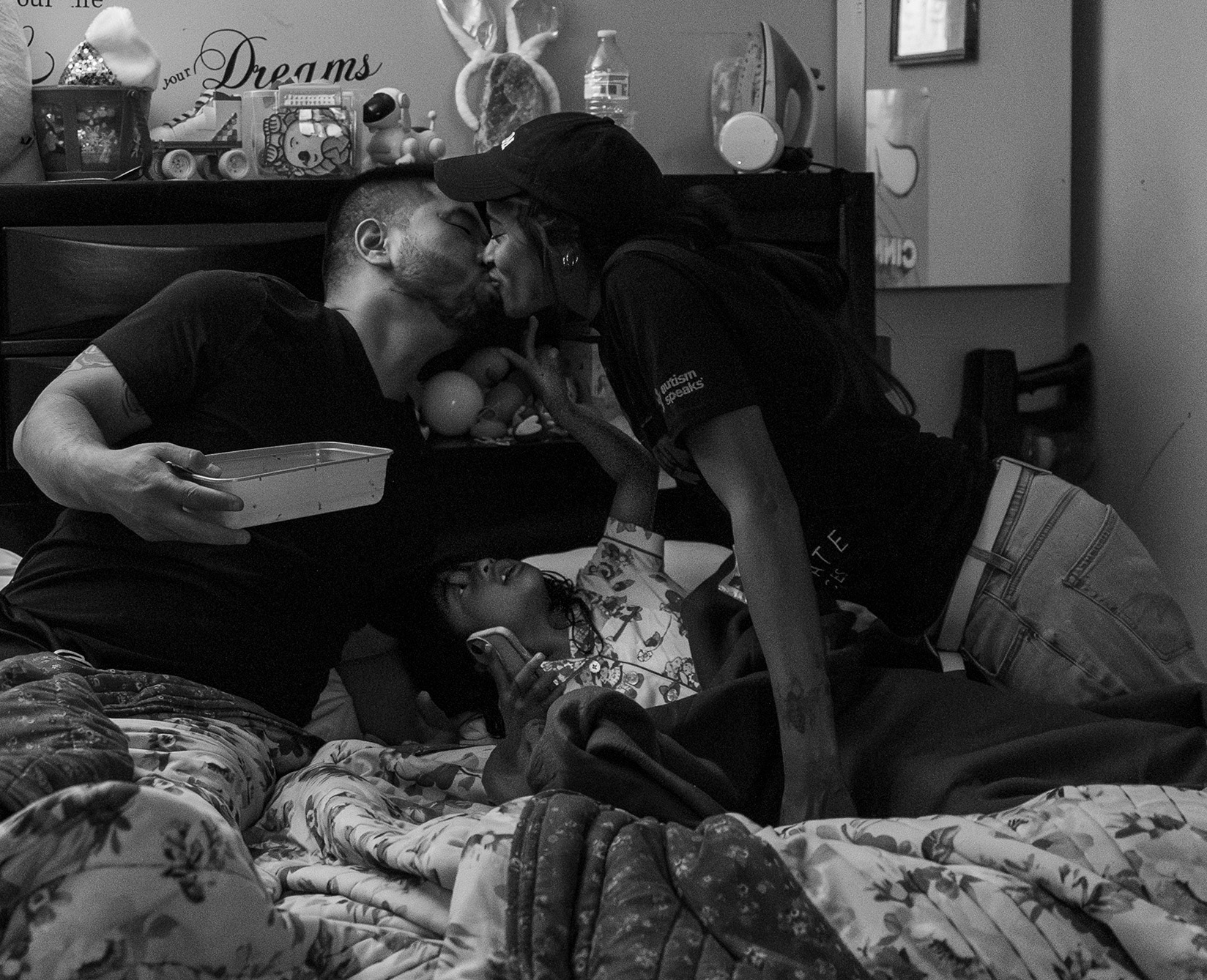
Sangmin Bailey, left, kisses his wife, Kysha Bailey, goodnight, as their daughter, Yuri, looks on in their home in Bowling Green, Kentucky, on March 31st, 2026. Because Kysha provides 24-hour care for her father, Fred Evans, the couple sleeps in separate rooms; Sangmin and Yuri stay behind a locked door due to Evans trying to get into rooms at night while Kysha monitors her father in the living room throughout the night. Sangmin, a full-time truck driver, works long shifts to support the family as they navigate the financial and emotional strain following Evans’ move into the home in August 2025. “My husband has to understand my dad has a mental diagnosis; it does affect a lot of areas,” Kysha said. “At times it gets frustrating, but we have to take extra measures... and we all understand this is for a better reason.”
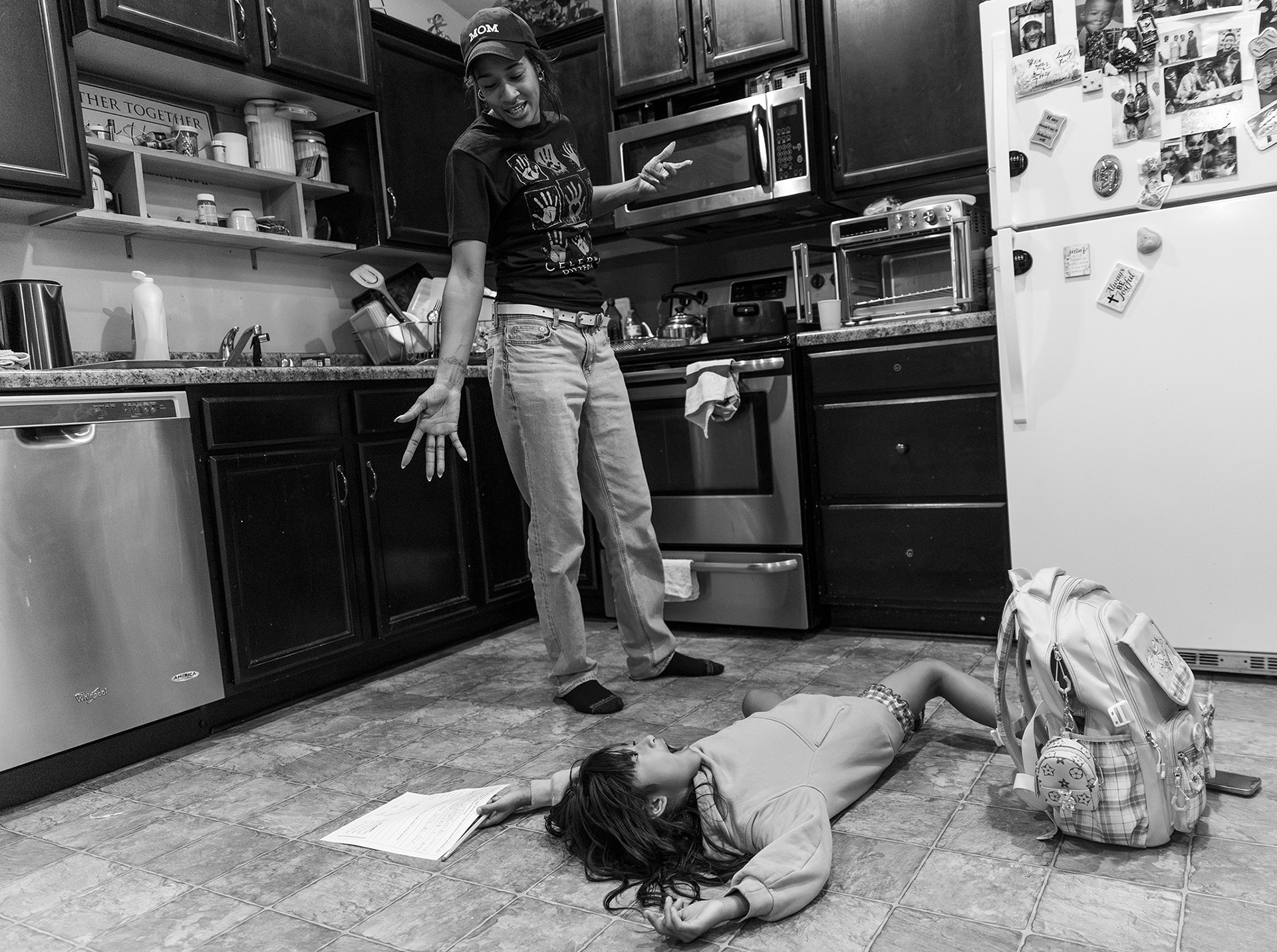
Kysha Bailey watches as her daughter, Yuri Bailey, sprawls on the kitchen floor in their home in Bowling Green, Kentucky, on March 31st, 2026. While Bailey balances making dinner and encouraging Yuri to do her homework, she manages the complex time constraints of caring for both her children and her father “Convincing kids vs. my dad, it’s a struggle,” Bailey said. “You try to do things before the issues start kicking in.”
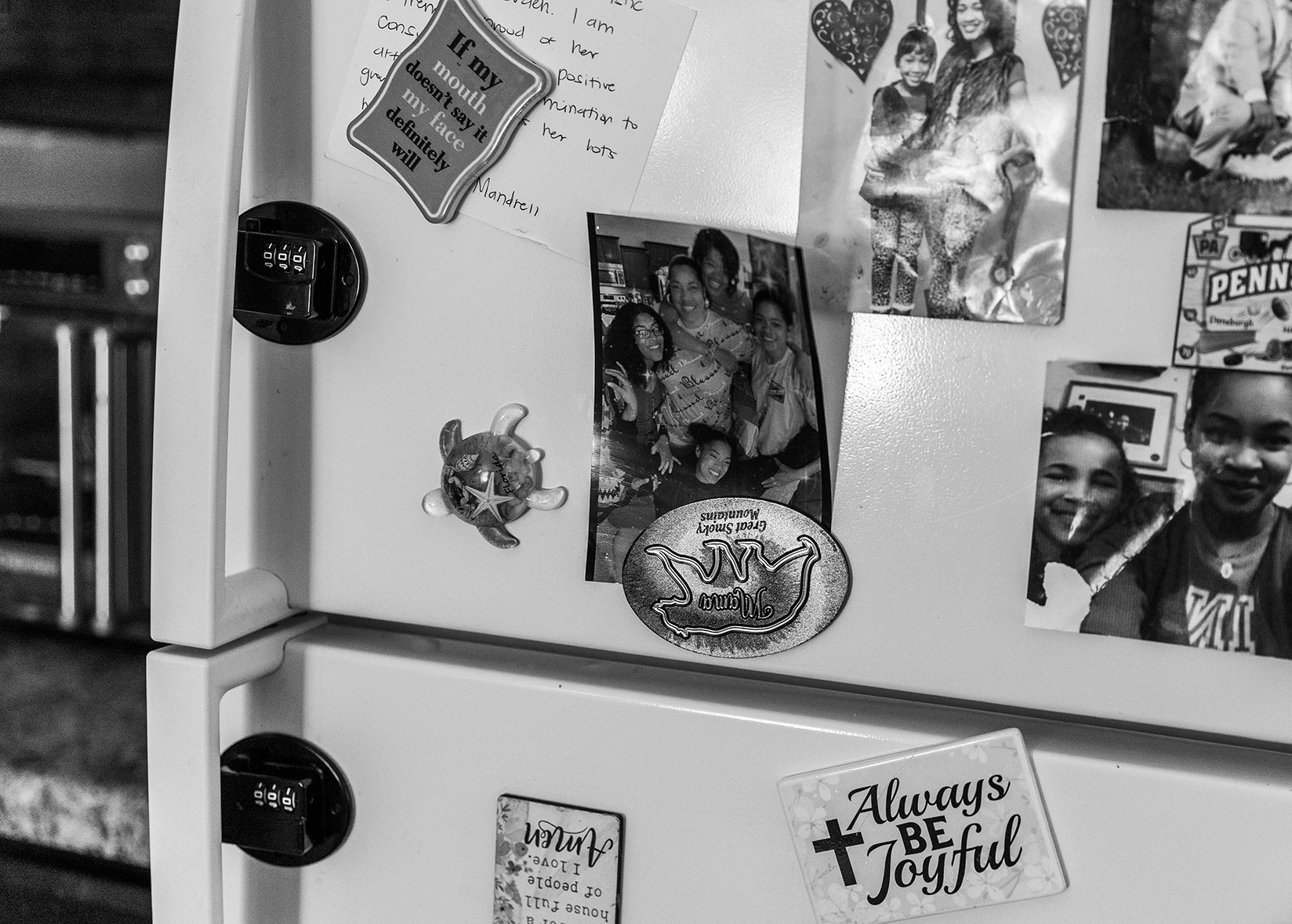
A view of the locks installed on the refrigerator in Kysha Bailey’s home in Bowling Green, Kentucky, on April 19th, 2026. Bailey and her husband, Sangmin, installed the locks to prevent her father from contaminating shared food and drinks, a behavior caused by his dementia. "He drinks out of the jugs of milk and spits into the milk and food," Bailey said. "My youngest daughter and me drank his spit, and it was disgusting. My husband went on Amazon... Next thing I know, the locks were on the fridge. Amen, that’s life-saving."
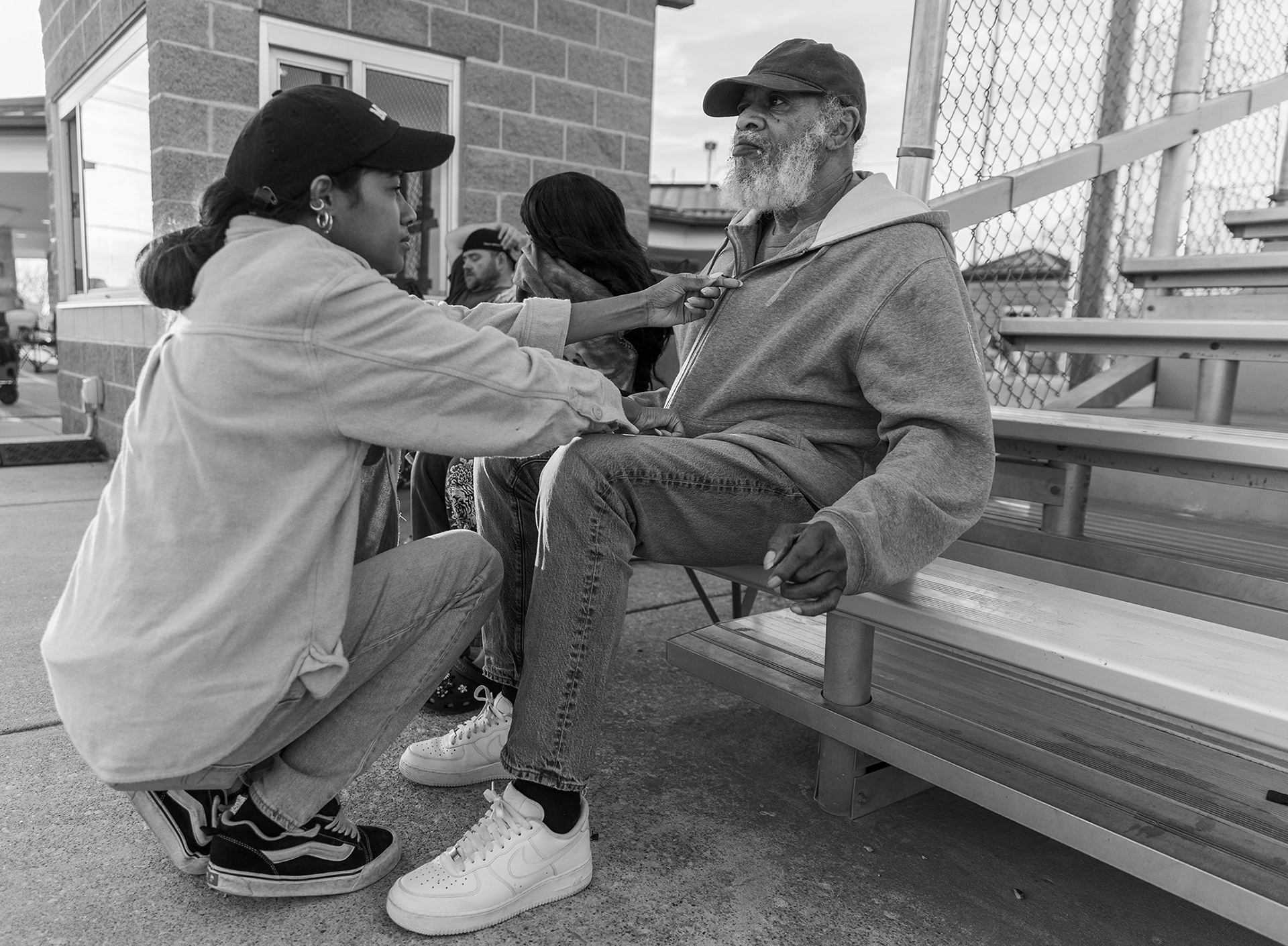
Kysha Bailey, left, zips her father's jacket during her children's softball game in Bowling Green, Kentucky, on March 31st, 2026. While navigating public spaces, Bailey often encounters stares from bystanders until they recognize the signs of Evans’ dementia. “Who cares what anyone has to say about it? I just do it,” Bailey said. “Once they observe, it makes sense... they see the signs, then it’s like, ‘Aw, poor thing, do you need any help?’ and I’m like, ‘No, we’re fine.’” To manage Evans' condition, the family limits outings to four hours to return home before his symptoms worsen in the evening due to sundowning.
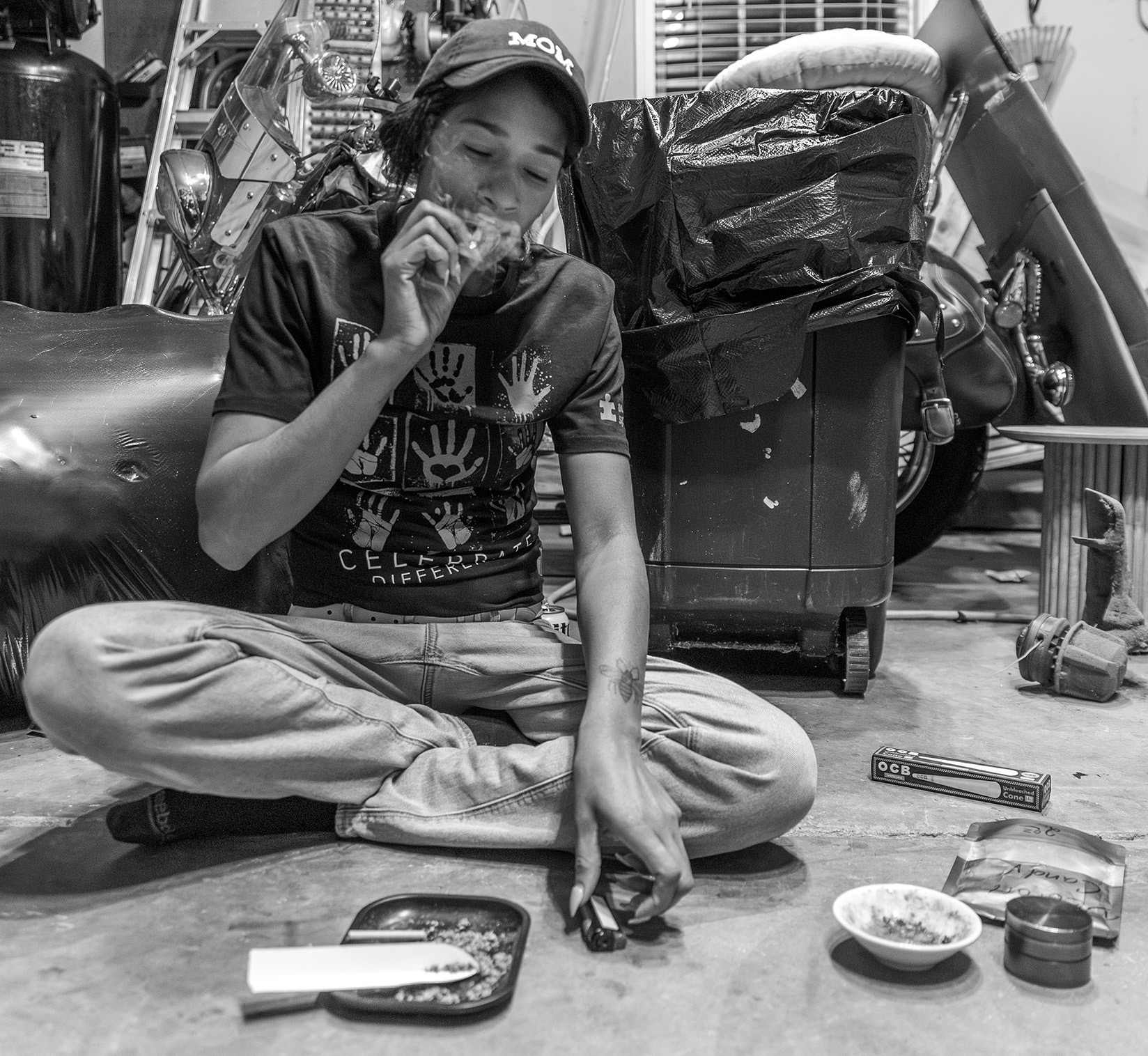
Kysha Bailey smokes in her garage in Bowling Green, Kentucky, on March 31st, 2026. Bailey uses marijuana as a nightly ritual to de-stress from the demands of being a 24-hour caregiver of her father and a mother of four. “Every day I'm smoking…it’s my wind-down time,” Bailey said. “It helps me sleep at night... looking around, making sure everyone is okay, it's my de-stress.”
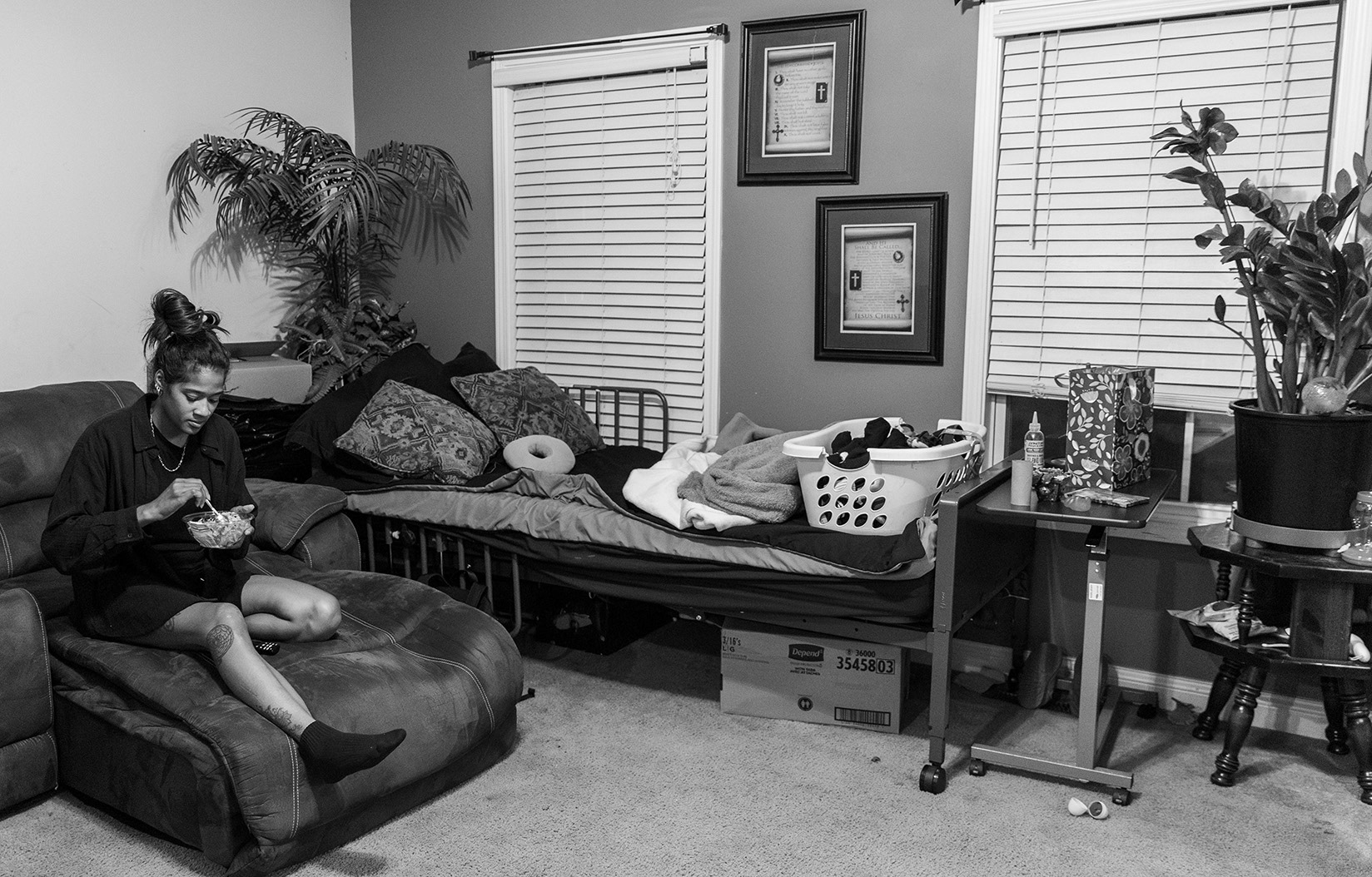
Kysha Bailey eats dinner on the living room couch near where her father typically sleeps in their home in Bowling Green, Kentucky, on April 29th. After Bailey's sister stepped in to provide a temporary break for Bailey and her family, the household found themselves grappling with an unexpected void. Despite the exhaustion and the "financial and emotional strain" of the previous months, the absence of Evans’ presence was felt by the entire family. “None of us expected it to be like, ‘Oh, we miss the old man,’ but we all miss him in our own way,” Bailey said. “Is he confused? Did he eat? Did he allow her to change him? It’s like worrying about a kid; these questions kept repeating, even though I knew he was fine."